
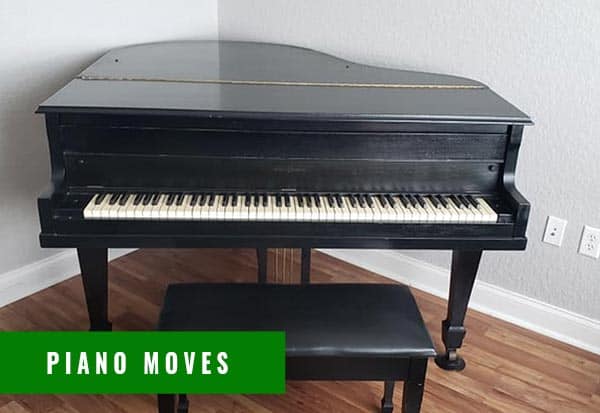
If you’ve ever tried to move a piano yourself, you already know the truth: it’s not just a big, heavy box. A piano is a precision instrument with hundreds of moving parts, a delicate finish, and a weight distribution that can turn a doorway or a staircase into a real problem. The same goes for antiques, fine art, and other fragile heirlooms that mean more to you than their price tag suggests.
At SETT Movers, specialty items are one of the parts of the job we take the most seriously. Steven, Evelynn, Tyler, and Tara built this company on the idea that your move deserves the same care you’d give it yourself, and nowhere does that matter more than when a piano, a grandfather clock, or a family antique is on the truck. Here’s what you should know before your next move, whether you’re relocating across Toms River or heading out of state.
Why Pianos and Antiques Need Specialty Movers
A standard upright piano can weigh 300 to 500 pounds. A grand piano can weigh well over 700 pounds, with most of that weight concentrated unevenly across its frame. Add narrow hallways, tight turns, and a flight of stairs, and you have a situation where a general-purpose moving crew without the right training and equipment can cause real damage, both to the piano and to your home.
Antiques come with a different kind of risk. Age often means fragile joints, delicate veneers, or finishes that can’t handle the wrong kind of wrapping material. A piece that’s been in your family for generations doesn’t get a second chance if it’s handled wrong.
Specialty moving isn’t about brute strength. It’s about the right equipment (piano boards, skid boards, harnesses, and proper dollies), the right technique, and movers who have actually done this before.
What Affects the Cost of Moving a Piano
There’s no single flat rate for piano moving, because so much depends on the details of your specific move. Here are the main factors that go into pricing:
Piano type and size. An upright piano is generally less expensive to move than a baby grand or a full grand piano, simply because grand pianos need more manpower, more disassembly (the legs and lyre typically come off), and more careful handling of the shape.
Distance. A local move across town costs less than a long-distance move, since long-distance pricing accounts for drive time, fuel, and the logistics of coordinating an out-of-state delivery window.
Stairs and access. Steps, narrow doorways, and tight turns all add time and labor. If your piano needs to go up or down a staircase, expect that to factor into the quote. In rare cases where a piano can’t fit through a doorway or up a stairwell, movers may need to bring in a crane or hoist, which changes the pricing significantly.
Timing. Like most moving services, demand shifts with the season. Moves booked during peak moving months (typically late spring through summer) or on weekends can run a bit higher than an off-season weekday move.
Additional services. Crating, custom padding, and post-move piano tuning are usually priced separately from the move itself, since not every customer needs them.
Because every one of these factors can shift the price, we don’t quote piano moves off a generic price sheet. The only way to get an accurate number for your move is a real quote based on your piano, your home’s layout, and your destination, which is exactly what we walk through with every customer before moving day.
It’s Not Just Pianos
Piano moving gets a lot of attention because it’s the most obvious specialty item most families own, but it’s far from the only one. We regularly help New Jersey families and businesses move:
Fine art and framed pieces that need rigid, padded crating so nothing shifts in transit. Antique furniture with delicate joinery, veneer, or upholstery that can’t be wrapped the same way as a modern dresser. Grandfather clocks and other mechanical pieces, which often need internal components secured before the move even starts. Curio cabinets, china sets, and glassware, where the packing matters just as much as the moving. Safes and other heavy, awkwardly shaped items that need specialized dollies and careful weight distribution.
If you’re not sure whether something in your home counts as a specialty item, a good rule of thumb is this: if it’s fragile, unusually heavy, oddly shaped, or irreplaceable, it’s worth mentioning when you book your move.
Tips for Protecting Your Piano or Antiques on Moving Day
A few things you can do ahead of time to help your specialty items arrive in the same condition they left in:
Let your moving company know about specialty items when you book, not the morning of. This gives the crew time to bring the right equipment and plan the right approach for your home’s layout.
Clear the path before movers arrive. Rugs, furniture, and clutter near doorways and staircases are the most common cause of delays and accidents on moving day.
Ask about climate control if you’re moving long-distance or during extreme weather. Wood furniture and pianos are sensitive to humidity and temperature swings, especially over longer trips.
Don’t try to move a piano or a heavy antique by yourself, even with a few friends helping. This is one of the most common causes of injury and property damage during a DIY move, and it’s rarely worth the risk.
Moving a Piano or Antique in New Jersey? Let’s Talk
Whether you’re moving locally in Ocean or Monmouth County, relocating to New York or Philadelphia, or planning a long-distance move out of state, our team has the experience and equipment to handle your piano, antiques, and other specialty items with the care they deserve. No middlemen, no guesswork, just a family-run crew that treats your move like it matters, because it does.
When you’re ready, we’re SETT. Reach out today for a quote on your upcoming move.