
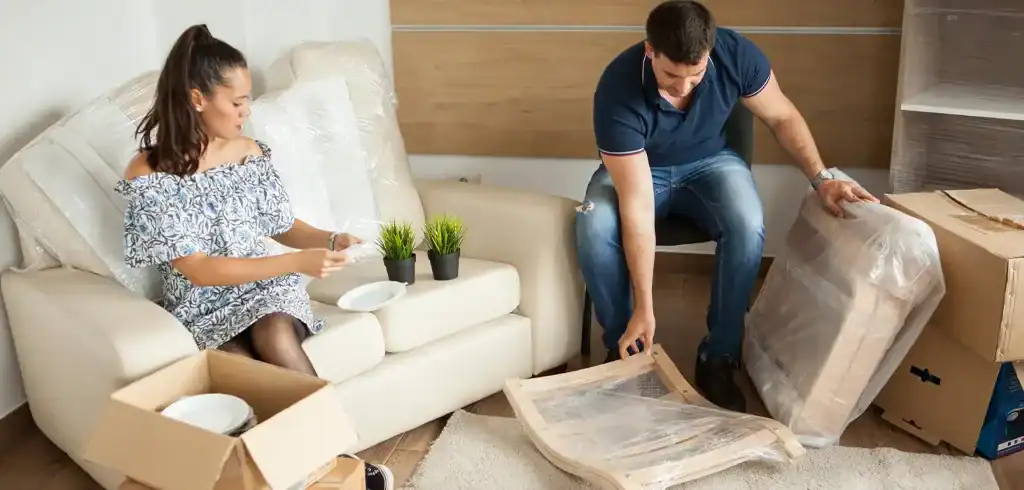
The first week in a new home can feel exciting, disorienting, and exhausting all at once. You are surrounded by boxes, you cannot remember which light switch controls what, and everyone is asking where the towels, plates, and phone chargers are. A structured room-by-room moving checklist is the fastest way to turn chaos into comfort.
This first week after moving in checklist is designed as a practical, step-by-step, room-by-room new home setup guide. Instead of randomly opening boxes and hoping for the best, you will follow a clear system that prioritizes safety, basic comfort, and daily routines. By the end of the week, you will have every major space functional and a clear plan for the rest.
Whether you just completed a cross-country move or a short hop across town, this moving checklist for setting up each room will help you decide what to do first, what can wait, and how to avoid feeling overwhelmed. You will also find links to helpful resources on packing, decluttering, and planning moves, so the next phase of settling in becomes even easier.
How to Use This Room-by-Room Moving Checklist
It is tempting to try to unpack everything at once, but that usually leads to frustration. A smarter approach is to use a room-by-room moving checklist that focuses on what you need right now versus what you can tackle later in the month.
Here is how to get the most out of this room-by-room new home setup guide:
- Work from essential to nonessential spaces. Start with rooms you use immediately every day: bedroom, bathroom, kitchen, and entryway. Then move to living areas, kids’ rooms, office, and garage or storage.
- Use time-blocking for each room. Give each priority room a focused 1–3 hour block during the first week, instead of bouncing aimlessly between spaces.
- Set “good enough” goals. Your goal for week one is functionality, not perfection. You can refine decor, organization, and styling in week two and beyond.
- Keep a running punch list. As questions or repairs pop up, add them to a simple punch list so they do not derail your unpacking momentum.
If you are still planning or in the early stages of moving, you may find it helpful to review broader guides like how to pack for a move and relocate seamlessly and a full moving to another state checklist for long-distance relocations.
Step 1: Safety and Utilities – Before You Unpack a Single Box
Key takeaway: Your first task after moving in is to confirm that the home is safe, utilities are functioning, and you know how to operate critical systems.
Before you dive into moving your room essentials and hanging decor, walk through this mini safety and utilities checklist:
- Check all utilities. Confirm that electricity, gas, water, and internet are active. Test light switches, outlets in key areas, and major appliances.
- Locate the main shutoffs. Find the main water shutoff, electrical panel, and gas shutoff. Label them if needed. This is vital for emergencies.
- Inspect smoke and carbon monoxide detectors. Make sure they are present and working. Replace batteries if you are unsure of their age. Review basic smoke and carbon monoxide detector safety guidelines before your first night in the home. CPSC recommends smoke alarms on every level, outside sleeping areas, and inside bedrooms, and advises replacing batteries annually.
- Do a quick security check. Test exterior locks, window latches, and any alarm systems. Consider changing locks if you have not already.
- Walkways and stairs. Clear pathways of boxes so nobody trips, especially at night.
Once these basics are handled, you can confidently move on to the room-by-room portion of your first week after moving in checklist.
Step 2: Primary Bedroom – Sleep-First Setup
Being well rested will make the entire unpacking process easier. That is why your primary bedroom belongs at the top of your moving checklist for setting up each room.
Minimum Setup for Night One
- Assemble the bed frame and set up the mattress. If required, place felt pads or sliders under bed legs to protect floors.
- Unpack bedding essentials. Sheets, pillows, a comforter or blankets, and any mattress protector you use.
- Set up basic lighting. At least one bedside lamp or working overhead light, plus an easily accessible switch or remote.
- Designate a clothing zone. You do not need to fully organize your closet yet, but unpack a small capsule wardrobe: sleepwear, two or three everyday outfits, undergarments, and socks.
Upgrading Bedroom Functionality (Days 2–4)
Once you have slept there a night or two, refine the space:
- Plan your closet. Decide where shoes, hanging clothes, and folded items will live. Use this as your guide to unpack the rest of your wardrobe.
- Set up nightstands. Include chargers, a small tray for keys or jewelry, and any nighttime medications or water.
- Hang temporary window coverings. If custom curtains are not ready, use simple blackout curtains or blinds for privacy and better sleep.
This is the first step in how to organize your home room by room after moving: make sure each space is at least partially livable before you aim for perfection.
Step 3: Bathrooms – Daily Essentials and Hygiene
Next in your room-by-room moving checklist are the bathrooms. Making at least one bathroom fully functional is crucial in the first 24 hours.
Bathroom Day-One Essentials
- Toilet paper and a spare roll
- Hand soap and hand towels
- Shower curtain and rings (if needed), plus bath mat
- Basic toiletries: toothbrushes, toothpaste, shampoo, conditioner, soap, deodorant, skincare items, and razors
- Trash can and trash bags
Smart Bathroom Organization in Week One
To keep mornings and evenings smooth while you are still unpacking the rest of the house:
- Assign zones in cabinets and drawers. Everyday items at eye level, backups on higher shelves, cleaning supplies out of kids’ reach.
- Use bins and drawer dividers. Corral small items like hair elastics, cotton pads, and travel-size products.
- Start a restock list. As you notice missing items (extra towels, hair-dryer storage, hooks), add them to a list rather than interrupting unpacking with multiple store trips.
Step 4: Kitchen – Command Center of the Home
The kitchen can feel overwhelming, but you do not need it photo-ready in the first week. Focus on function first. If you are still in the packing phase, be sure to review guides like how to pack a kitchen for moving and how to pack dishes for moving so unpacking is quicker and breakage-free.
First 24–48 Hours: Make the Kitchen Usable
- Plug in and test major appliances. Refrigerator, stove, oven, microwave, dishwasher, and any necessary small appliances like a coffee maker or electric kettle.
- Create a “daily-use” cabinet. Unpack a starter set of plates, bowls, glasses, mugs, and everyday utensils.
- Set up a basic cooking station. One or two pots, a frying pan, a baking sheet, a cutting board, knives, and a spatula.
- Stock quick meals and snacks. Think pasta, sauce, frozen vegetables, eggs, bread, peanut butter, and ready-to-eat snacks for kids and adults.
Refining Kitchen Organization During the Week
As part of how to organize your home room by room after moving, use the first week to observe how you naturally move around the kitchen:
- Place items near their point of use. Cooking utensils near the stove, dishes near the dishwasher, cutting boards and knives near your main prep area.
- Designate a “drop zone.” A small section of counter or a tray for mail, keys, and everyday clutter so it does not spread across the entire kitchen.
- Plan pantry basics. Group baking items, snacks, breakfast foods, and canned goods into simple categories.
If you decluttered before your move using this decluttering checklist, unpacking the kitchen will feel much easier.
Step 5: Living Room and Shared Spaces
Once sleeping, bathing, and eating are under control, you can shift your room-by-room new home setup guide to your main gathering spaces.
Living Room Essentials for the First Week
- Place the largest furniture first. Position the sofa, chairs, and entertainment unit before bringing in smaller items.
- Connect the basics. Set up the TV, streaming devices, and router or modem if your internet hub is here.
- Create a comfortable sitting area. Even if decor is not complete, add a coffee table, lamp, and a few throw blankets so the space feels inviting.
Gradual Organization and Decor
Your moving checklist for setting up each room should leave some space for creativity and experimentation. During the first week:
- Test different furniture layouts and walkways.
- Decide where you want bookcases, toy storage, or pet beds.
- Hang a few key pieces of art or family photos to make the home feel personal, even if the full gallery wall comes later.
If you transported heavy items like sectionals or entertainment centers, tips on how to move heavy furniture like a pro can be helpful for future rearranging.
Step 6: Kids’ Rooms and Play Areas
If you are moving with kids, their rooms should be a high priority in your first week after moving in checklist. Familiar toys and routines help children adjust faster.
First Priorities for Kids’ Rooms
- Assemble beds and safety rails if needed.
- Unpack favorite stuffed animals, books, and comfort items.
- Set up a simple clothing system they can understand, even if it is temporary.
- Ensure cords, blinds, and outlets are child-safe.
Creating Routine and Comfort
By the end of the first week:
- Recreate bedtime routines as closely as possible to the old home.
- Designate a specific play area to contain toys.
- Involve older kids in deciding where posters, artwork, and desks will go so they feel ownership of the space.
Step 7: Home Office or Study Area
If you work from home or have students in the household, your office or study zone is an important part of how to organize your home room by room after moving.
Office Setup Basics for Week One
- Prioritize your workstation. Assemble your desk and chair, and set up your computer, monitor, and essential accessories.
- Check internet strength. Ensure your Wi-Fi signal is stable, especially if video calls are part of your work.
- Create a cable management plan. Use simple clips or ties to keep cords from tangling or tripping people.
Paperwork and Important Documents
During your first week, gather and store key documents in one safe, clearly labeled place. This includes:
- Lease or closing documents
- Moving contracts and receipts
- School registration and medical records
- Vehicle and insurance paperwork
If you had a complex relocation, perhaps involving moving and vehicle transport or a commercial moving checklist, keeping these papers together will make any follow-up much easier.
Step 8: Entryway, Closets, and Storage
The entryway sets the tone for everyday life in your new home. It is also one of the best places to apply the principles of a room-by-room moving checklist because it quickly reduces visible clutter.
Entryway Quick Wins
- Add a doormat to trap dirt before it reaches your floors.
- Install or place hooks for coats, bags, and dog leashes.
- Use a tray or bowl for keys and wallets so they do not go missing in the chaos.
- Place a shoe rack or basket by the door if you prefer a shoe-free home.
As you organize your entryway, it is also a smart time to change your mailing address with USPS so important documents and packages reach your new home without delay. USPS offers official change-of-address and mail forwarding instructions through its moving services page.
Closets and Storage Spaces
Storage areas are often ignored in the first week, but spending just an hour or two here will pay off later. As part of how to organize your home room by room after moving:
- Decide which closet will store seasonal items and bulk supplies.
- Use clear bins and labels so you can find holiday decor, sports gear, and tools quickly.
- Keep high-usage items at eye level and rarely used items higher or lower.
Step 9: Garage, Basement, and Outdoor Areas
These areas are usually last on any first week after moving in checklist, but you still want some basic order.
Garage and Basement Basics
- Create broad zones: tools, outdoor gear, seasonal decor, and long-term storage.
- Unpack and assemble any critical tools you will need for hanging items, minor repairs, or furniture adjustments.
- Store hazardous materials (paint, chemicals, sharp tools) safely out of children’s reach.
Outdoor Areas
In the first week:
- Check exterior lighting and replace bulbs as needed.
- Walk the yard for hazards like loose boards, nails, or low-hanging branches.
- Decide where trash and recycling bins will live and confirm pickup schedules.
Frequently Asked Questions
What should I prioritize in the first 24 hours after moving in?
Focus on safety, basic sleep, a usable bathroom, and simple meals. That means checking utilities and detectors, setting up beds, making at least one bathroom fully functional, and unpacking enough kitchen items for easy snacks and breakfasts. Everything else can wait until day two or three.
How does a room-by-room moving checklist reduce stress?
A room-by-room moving checklist stops you from bouncing randomly between boxes. It gives you a clear order of operations: bedroom, bathroom, kitchen, living areas, kids’ rooms, office, then storage. When you know exactly what to tackle next, you make faster progress and feel less overwhelmed.
When should I tackle decor and detailed organization?
Use your first week to focus on function and flow. Once every critical room is basically set up, you can spend weeks two and three refining decor, buying organizers, and adjusting layouts. Trying to perfect everything immediately usually leads to decision fatigue.
What if I still have a lot to purge after moving?
It is completely normal to realize you brought items you no longer want once you see them in the new space. Set aside a donation zone and schedule a pickup or drop-off within the first month. A guide like preparing to move and the purging process can also help you plan what to keep, donate, or discard as you finish unpacking.
Do I need professional movers to handle future rearranging?
If you are dealing with especially heavy or delicate items – pianos, hot tubs, large sectionals, or bulky appliances – it is wise to hire experienced movers rather than risk injury or damage. You can explore services and tips at Sett Movers, where you will also find detailed guides like how to move a piano and how to move a hot tub the right way.
Conclusion
Moving into a new home in 2026 does not have to mean weeks of chaos and lost essentials. With a clear room-by-room moving checklist, you can transform your space from box-filled to fully functional in just a few days. Start with safety and utilities, then move systematically through the bedroom, bathroom, kitchen, living spaces, kids’ rooms, office, and storage areas. Treat this room-by-room new home setup guide as a living document – adapt it to your household, your routines, and your new layout.
Most importantly, give yourself permission to aim for “livable and comfortable” in the first week, not magazine-perfect. When you approach the process as a structured project rather than a disorganized scramble, moving your room and your entire home becomes far less stressful. And if you decide you want professional help for your next move or future rearranging, explore the resources and services at Sett Movers to make the journey even smoother.